










Lawn Lamps: An Illumination Choice That Integrates Function, Form, and Landscape
Author:
Source:
Release time:2026-05-26

The Balance Between Lighting and Landscape
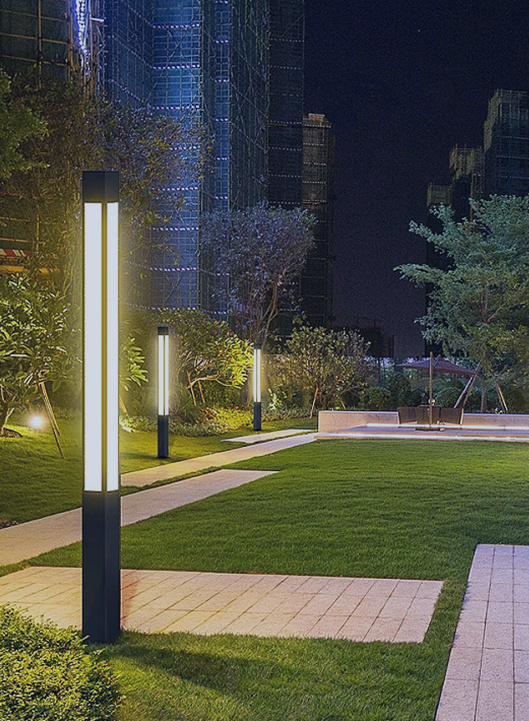
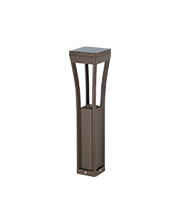
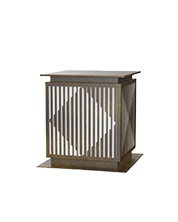
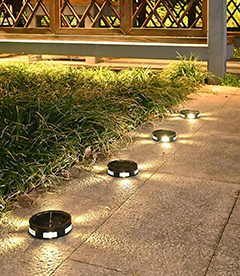
Lawn lights are a common type of low-profile outdoor landscape lighting, typically installed at a height of 0.4 meters.
Between 1.2 meters in height. Unlike high-mast streetlights or floodlights, its primary function is…
It is not a broad, intense illumination; rather, it is designed to light lawns, walkways, or the edges of flower beds at night.
Provide soft, restrained lighting guidance. Truly professional lawn‑lighting design should “see the light”…
“No Light Visible” — allowing one to sense the presence of light without being distracted by the fixture itself.

Optical control determines the performance.
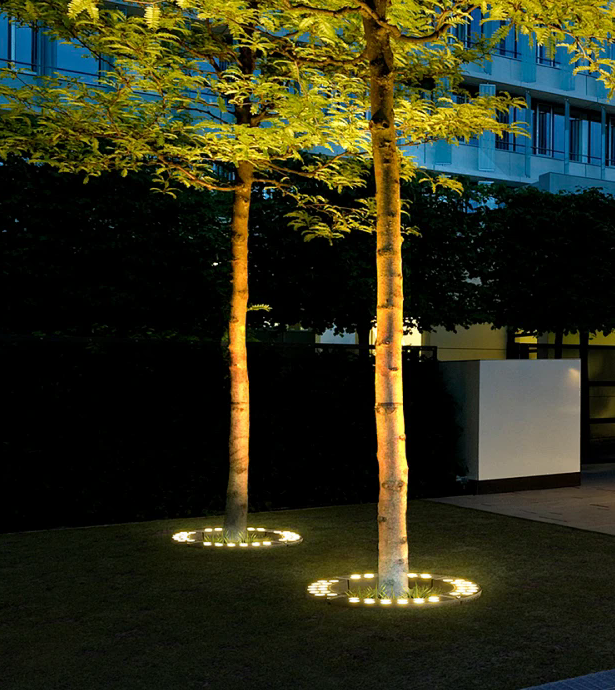
The performance of lawn lights hinges on their light distribution pattern. Upward‑directed light distribution is straightforward…
It produces glare and is suitable for illuminating surrounding plants; the downward‑facing light distribution places greater emphasis on…
Ground-level functional lighting, with reduced light spill. Ideally, luminaires should be equipped with shielding.
A shade or anti-glare grille keeps the light below the horizontal plane. Color temperature selection.
Equally important—warm white light in the range of 2700K to 3000K is beneficial for plants and soil.
It minimizes environmental interference and most closely aligns with the visual preferences associated with traditional courtyard lighting.

Material and Durability Considerations in Component Selection
Outdoor environments impose stringent protection requirements on lawn lights. Recommended materials for the lamp housing are:
It shall be made of die-cast aluminum or stainless steel, with an UV‑resistant coating on the surface.
The sealing rating shall be at least IP65 to prevent the ingress of moisture and insects.
In addition, the height of the luminaire should be designed based on the frequency of lawn mowing—if the lawn…
When frequently using large mowing equipment, sufficient clearance should be provided for the lighting fixtures.
Ground clearance, or opt for a temporary detachable ground‑anchoring structure.

Layout Logic and Avoiding Light Pollution
More lawn lights aren’t necessarily better. For standard pathway lighting, it’s recommended to maintain a controlled spacing.
Between 6 and 8 meters, use a single‑sided or staggered arrangement to prevent overlapping light exposure.
This creates a “runway effect.” At the same time, care should be taken to avoid direct sunlight shining into the residence.
Windows or common areas should prioritize illuminating the floor rather than the air. By selectively…
Illuminate key areas—such as corners, entrance steps, or distinctive features.
Plants—only lawn lights can truly blend into the landscape, rather than becoming visual nuisances at night.

Guangdong Quanhui Lighting Co., Ltd. Founded in 2004, it is a comprehensive lighting enterprise integrating manufacturing, sales, and installation.
21 years of dedicated manufacturing: Municipal streetlights 、 Landscape lighting 、 Courtyard light 、 High-mast light fixture 、 Smart streetlight Outdoor landscape lighting project
Related News
Guangdong Quanhui Lighting Co., Ltd
Phone : 86-13726017260 Mr Li
WhatsApp:+86-18028366908
E-Mail: 18028366908.qh@gmail.com
Website : www.quanhuilight.com
Address of exhibition hall : cards 28, 29 and 30, building c, international street lamp city, guzhen town, Zhongshan city, Guangdong province
Factory address : No.17 and 18 Jiwei Avenue, Haizhou Xianlong Luo Sha Jiwei Industrial Zone, Guzhen Town, Zhongshan City, Guangdong Province
Leave us a message.