









European-Style Courtyard Lamps: The Classical Aesthetic of Order in Light and Shadow
Author:
Source:
Release time:2026-06-02

More than just lighting—it’s the very expression of your courtyard.
European-style courtyard lamps are not standalone lighting fixtures; rather, they are an integral part of the courtyard’s overarching narrative.
What it embodies is the European classical garden’s emphasis on order, geometry, and ceremonial propriety.
The pursuit—ranging from the French axial symmetry of Versailles to the tiered progression of Italian terraced gardens,
Lighting layouts often follow the axial logic of the architecture and landscape. Well-designed European-style courtyard lights
Design can make a nighttime courtyard “speak”: where is the entrance,
Where the path turns and where rest stops are located is all clearly legible in the interplay of light and shadow.

The Paradigm of Form and Language
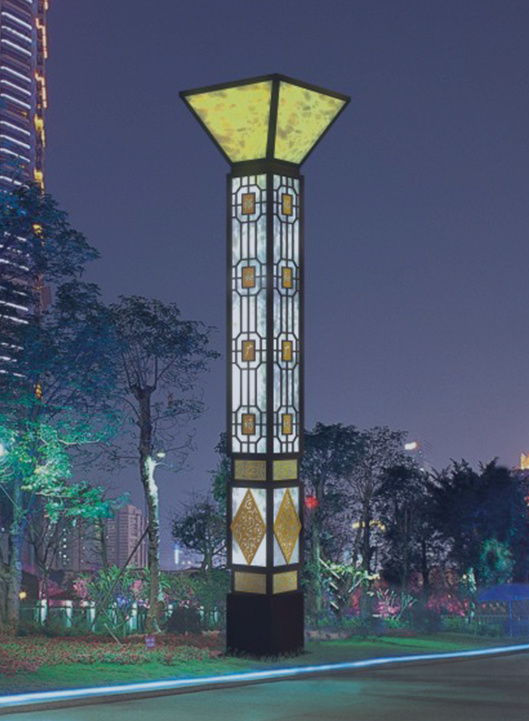
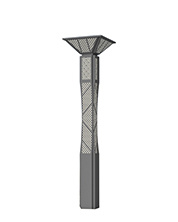
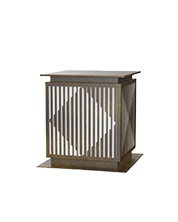
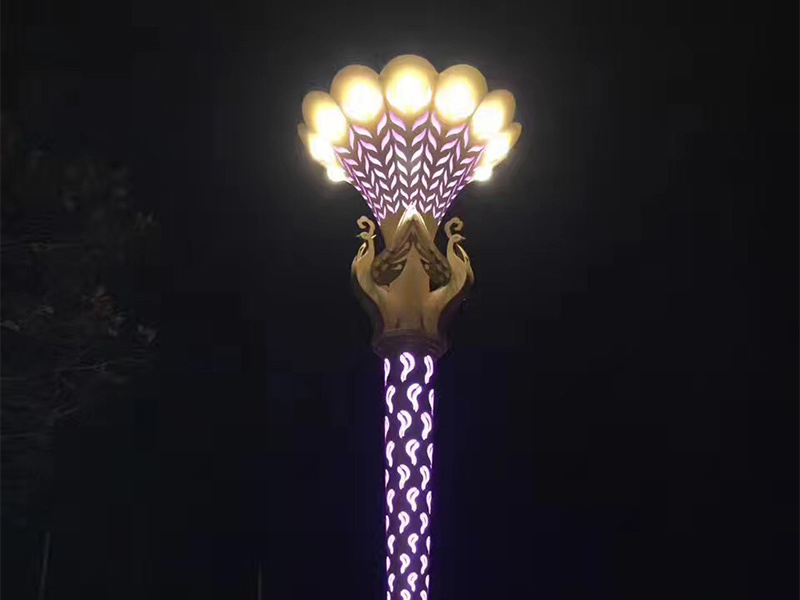
Typical European-style courtyard lamps are highly recognizable in their design. Their lamp heads often feature multi-faceted, through‑type structures.
A transparent glass canopy, a modern reinterpretation reminiscent of traditional gas lamps or candleholders; the lamp post often features…
It features distinct finial and base treatments, with materials primarily consisting of weather-resistant cast iron, cast aluminum, or red copper.
The surface is adorned with scrolling foliage, acanthus leaves, or classical columnar details. This form does not…
It is not merely decorative; rather, through a vertical visual extension, it establishes a…
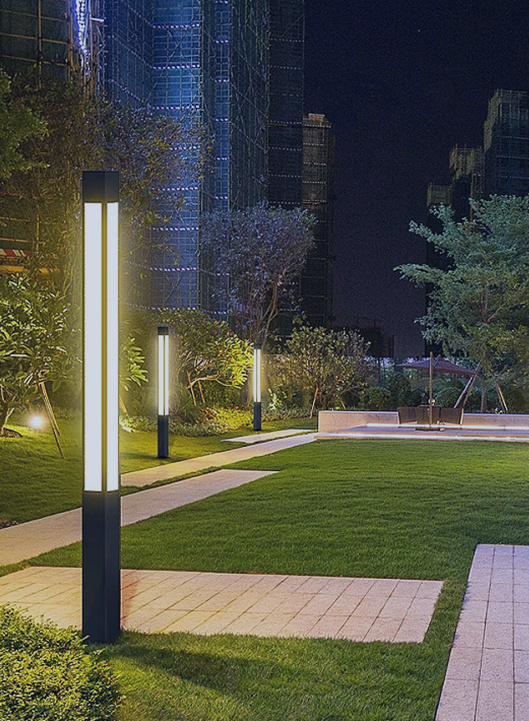
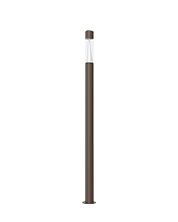
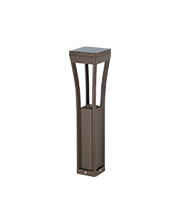
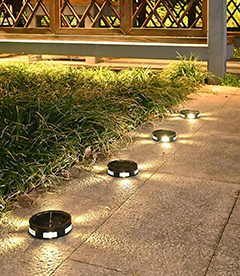
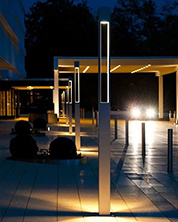
“Sense of ceremony” — low-profile lawn lights delineate the pathway, while mid-height pole lights guide the line of sight and…
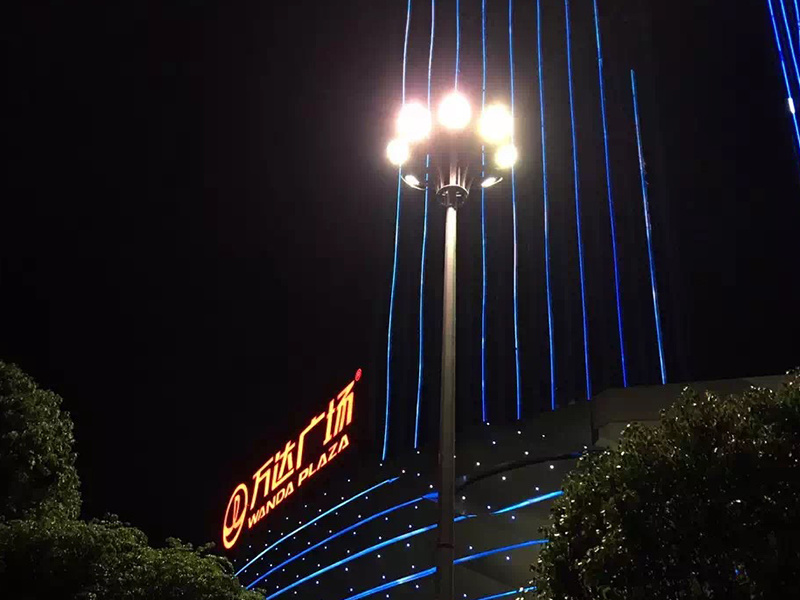
The pacing is set, with the high-mast lights serving as terminal vistas or nodal landmarks.

A Dialogue Between Light and Environment
The optical design of European-style courtyard lamps tends to favor warm yellow light (with color temperatures typically around…
(between 2200K and 2700K), as cool white light can diminish the sense of history on the surfaces of classical materials,
It makes cast iron and stone appear rigid. Moderately low illumination, with light dispersed across multiple points rather than…
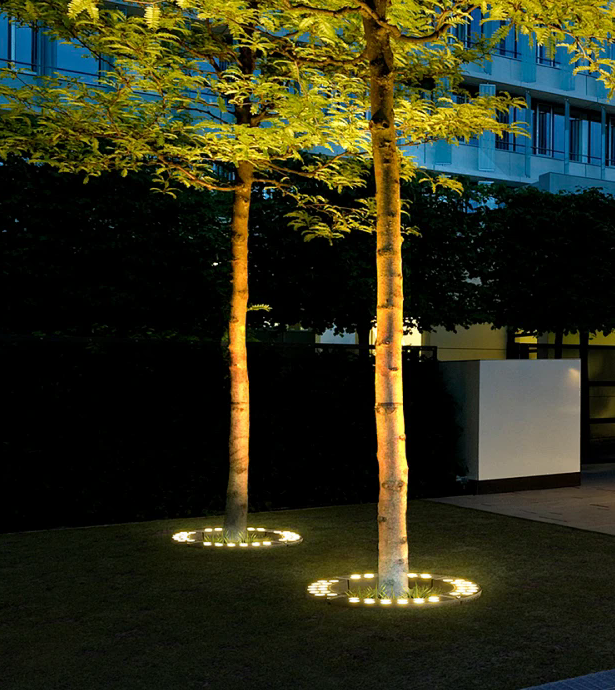
Wide‑area floodlighting better simulates the natural transition between tree shadows and building facades under moonlight.
The key is to avoid glare: the light-transmitting surface of the lampshade should be positioned above the eye level of a person looking straight ahead.
The light should primarily be directed downward or slightly downward to the side, ensuring that the light “falls” onto the floor rather than “shining” directly into the eyes.

Principles of Selection and Placement
What truly determines the outcome is often not the fixture itself, but its installation accuracy.
The spacing of pathway lights is typically maintained at 3–4 times the height of the light poles, with additional lighting required at intersections.
Lighting fixtures on both sides of the entrance should be symmetrical, and the height of column-top lights and wall-mounted lights must be uniform. In terms of materials,
In coastal or humid areas, cast aluminum or copper is preferred; in inland regions, weather-resistant cast iron may be selected.
However, all exposed fasteners shall be made of stainless steel. Finally, provide concrete with sufficient depth.
Foundation—after years of exposure to wind and weather, a crooked European-style lamp does more to undermine the garden’s aesthetic than no lamp at all.

Guangdong Quanhui Lighting Co., Ltd. Founded in 2004, it is a comprehensive lighting enterprise integrating manufacturing, sales, and installation.
21 years of dedicated manufacturing: Municipal streetlights 、 Landscape lighting 、 Courtyard lamp 、 High-mast light pole 、 Smart streetlight Outdoor landscape lighting project
Related News
Guangdong Quanhui Lighting Co., Ltd
Phone : 86-13726017260 Mr Li
WhatsApp:+86-18028366908
E-Mail: 18028366908.qh@gmail.com
Website : www.quanhuilight.com
Address of exhibition hall : cards 28, 29 and 30, building c, international street lamp city, guzhen town, Zhongshan city, Guangdong province
Factory address : No.17 and 18 Jiwei Avenue, Haizhou Xianlong Luo Sha Jiwei Industrial Zone, Guzhen Town, Zhongshan City, Guangdong Province
Leave us a message.